
Diagnose
We read the fault codes and live data — soot load, differential pressure, temperatures — to understand why the filter is blocking.
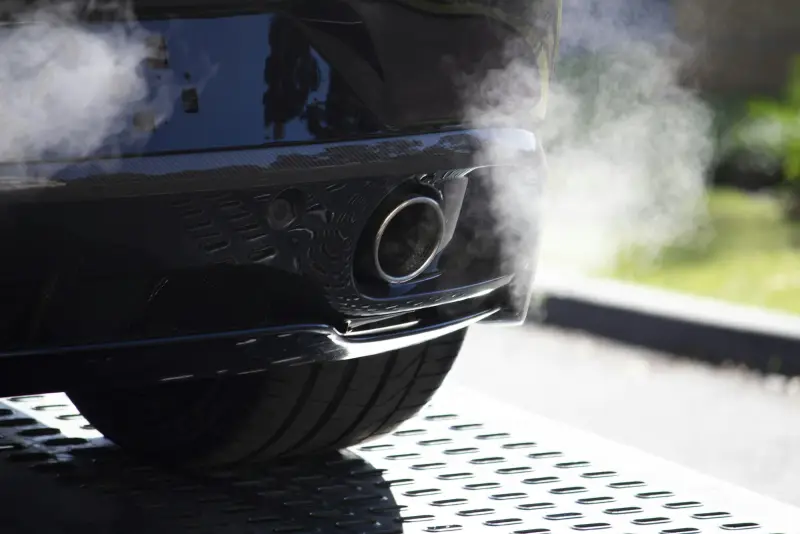
DPF cleaning
A diesel particulate filter rarely blocks for no reason. We diagnose why it’s happening, clean the filter, and help make sure it doesn’t simply block again.
How a DPF works
Since the late 2000s most diesel cars and vans have been fitted with a diesel particulate filter (DPF) to trap harmful soot. As soot builds up, the vehicle raises the exhaust temperature to burn it off — a process called regeneration.
Regeneration works best during a steady, longer drive. Lots of short trips, stop-start traffic and low-speed driving can interrupt it, and soot keeps accumulating until a warning light appears or the engine drops into reduced power.
Cleaning restores the filter, but if something is making the engine produce extra soot — or stopping the regeneration from completing — the problem will come back. That’s why we start with diagnostics.

Symptoms
Don’t ignore a DPF warning. Driving for long periods with a heavily blocked filter can lead to more expensive problems.
Our approach
We read the fault codes and live data — soot load, differential pressure, temperatures — to understand why the filter is blocking.
We clean the DPF to restore exhaust flow and bring soot levels back to where they should be.
We explain what caused the blockage and what will help — from repairs to simple changes in how the vehicle is used.
Every case is different. A filter that is badly damaged or cracked may need replacing rather than cleaning. We’ll tell you what we find and talk through the options before going ahead.
Questions
If your question is about a specific vehicle, the quickest answer is usually a call.
A diesel particulate filter traps the soot produced by a diesel engine so it doesn’t leave the exhaust. The trapped soot is burned off periodically in a process called regeneration, which usually needs sustained driving at higher engine speeds.
Mostly through short journeys and low-speed driving, which don’t let the filter get hot enough to regenerate. Underlying faults — such as a faulty pressure sensor, EGR problems, injector issues or the wrong engine oil — can also cause soot to build up faster than it can be cleared.
Check your handbook first — some vehicles ask for a sustained drive to allow a regeneration. If the light stays on, returns quickly, or the vehicle goes into reduced power, get it checked. Continuing to drive with a blocked DPF can lead to more expensive problems. See our DPF cleaning page.
Not legally on a road vehicle. Removing or tampering with a DPF is illegal in the UK and causes an MOT failure. Cleaning the filter and fixing the reason it blocked is the right long-term answer.
Talk to Retroworks
Tell us about the warning lights and how the vehicle is behaving, and we’ll advise on the next step.
Keep exploring
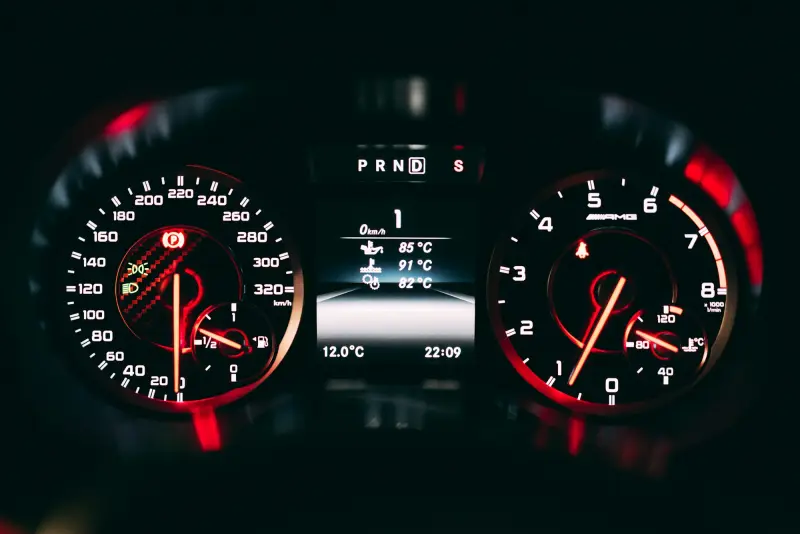 Dealer-Level Diagnostics
Warning lights and faults investigated with dealer-level diagnostic equipment.
Find out more
 Vehicle Remapping
ECU calibration tailored to your vehicle, focused on power delivery, torque and drivability.
Find out more
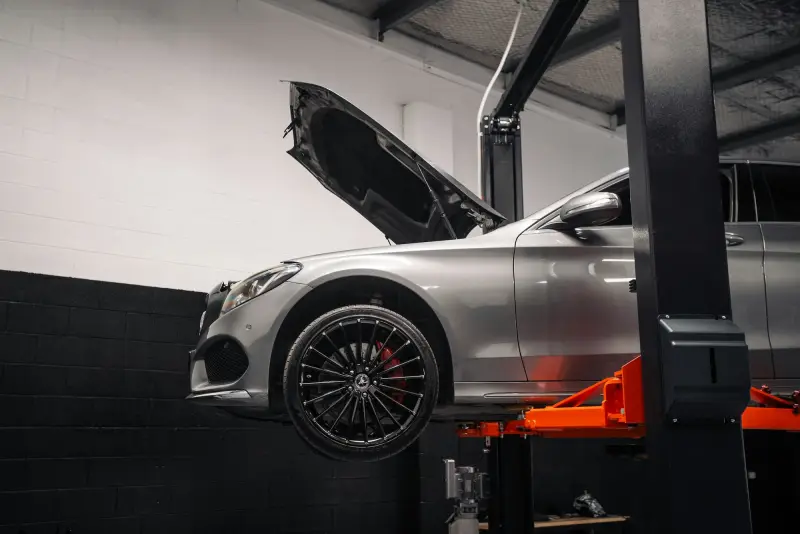 Servicing & Repairs
Routine servicing and mechanical repairs, at our workshop or at your home or work.
Find out more